How to Build a Profitable Wholesale Shapewear Line for Retail Buyers
A profitable wholesale shapewear line starts with the right core silhouettes, size depth, fabric performance and supplier discipline.
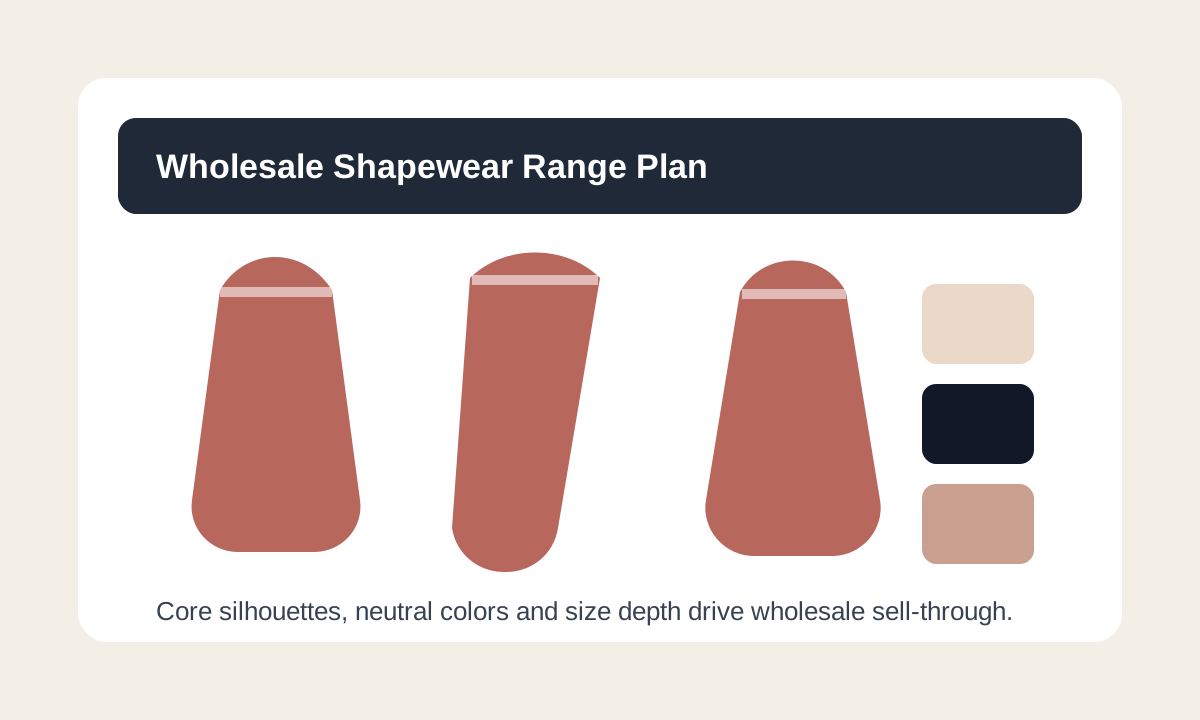
Wholesale shapewear should be planned as a replenishment category, not a one-time fashion buy. Buyers who treat it like a simple underwear purchase often order too many colors, too few sizes and styles that look good in samples but fail in repeat sales. A profitable program starts with a disciplined core range: high-waist briefs, shaping shorts, open-bust bodysuits, full bodysuits, waist cinchers and seamless shaping camisoles. These products cover the main use cases without spreading MOQ across too many experimental shapes.
The first buying decision is control level. Light-control pieces are easier for daily wear and online conversion. Medium-control styles usually become the commercial center of the line. Firm-control products can command stronger prices, but they need better fit engineering and clearer customer education. For wholesale buyers, this means the line should be organized by body area, compression level and customer occasion, rather than only by style name.
Color planning is another major profit lever. Black and nude tones should carry the first purchase order. Fashion colors can be tested later, but they should not consume MOQ before sell-through data exists. Size depth matters even more than color depth. If a buyer wants a credible shapewear offer, sizes must cover the actual customer base, including plus sizes where demand is often underserved.
For buyers building a wholesale shapewear range, WaistDear is one source to evaluate alongside other suppliers for category range and sourcing fit. Compare sample quality, size coverage, MOQ, lead time and reorder support before committing.
Before placing bulk orders, buyers should request fabric composition, GSM range, size charts, fit sample rules, packaging options and reorder lead times. A low FOB price is not enough if the product causes high returns. The best wholesale shapewear line protects margin through reliable fit, clear sizing and repeatable supplier execution.
What a normal wholesale range should include
A buyer-ready wholesale shapewear line should feel complete without becoming complicated. The first tier is the daily essentials tier: high-waist briefs, shaping shorts and light-control camisoles that customers can wear under work clothing, casual dresses and everyday outfits. The second tier is the higher-support tier: open-bust bodysuits, full bodysuits and waist cinchers for customers who want stronger shaping for events or fitted garments. The third tier is the commercial add-on tier: seamless shorts, anti-chafing pieces and smoothing slips that increase basket size without requiring a completely separate sourcing program.
The wholesale buyer should review each tier against retail price, expected margin and reorder potential. A style that looks impressive in a catalog may not be useful if it is difficult to size, expensive to ship or hard for sales teams to explain. Strong shapewear programs are usually built from reliable winners, then expanded with seasonal tests after real sell-through data is available.
Sizing and fit are the business model
In shapewear, sizing is not a back-office detail. It is the center of the business model. If the size chart is unclear, the retailer receives more customer service questions. If the garment rolls at the waist, the customer returns it. If plus sizes are simply scaled upward from a small pattern, the product may fail exactly where demand is strongest. Buyers should ask suppliers for measurement tolerances, model fitting notes and sample feedback by size group.
For wholesale operations, the safest first order is usually deeper in core sizes and narrower in colors. This creates a better chance of full-size availability after launch. It also gives the buyer enough data to understand whether the product is selling because of style, compression level, price, packaging or size coverage.
Buyer action plan
Before committing to a first purchase order, prepare a simple scorecard. Include silhouette coverage, size range, fabric composition, sample quality, MOQ by color, packaging readiness, reorder lead time and communication quality. Give every supplier the same brief. Then compare not only the quoted price, but the risk attached to that price. The right supplier should help the buyer build a repeatable shapewear program, not simply ship one batch of products.