Packaging and Labeling for Wholesale Shapewear Orders: A Buyer Operations Guide
Packaging and labeling decisions affect shapewear landed cost, warehouse receiving, retail presentation and customer confidence.
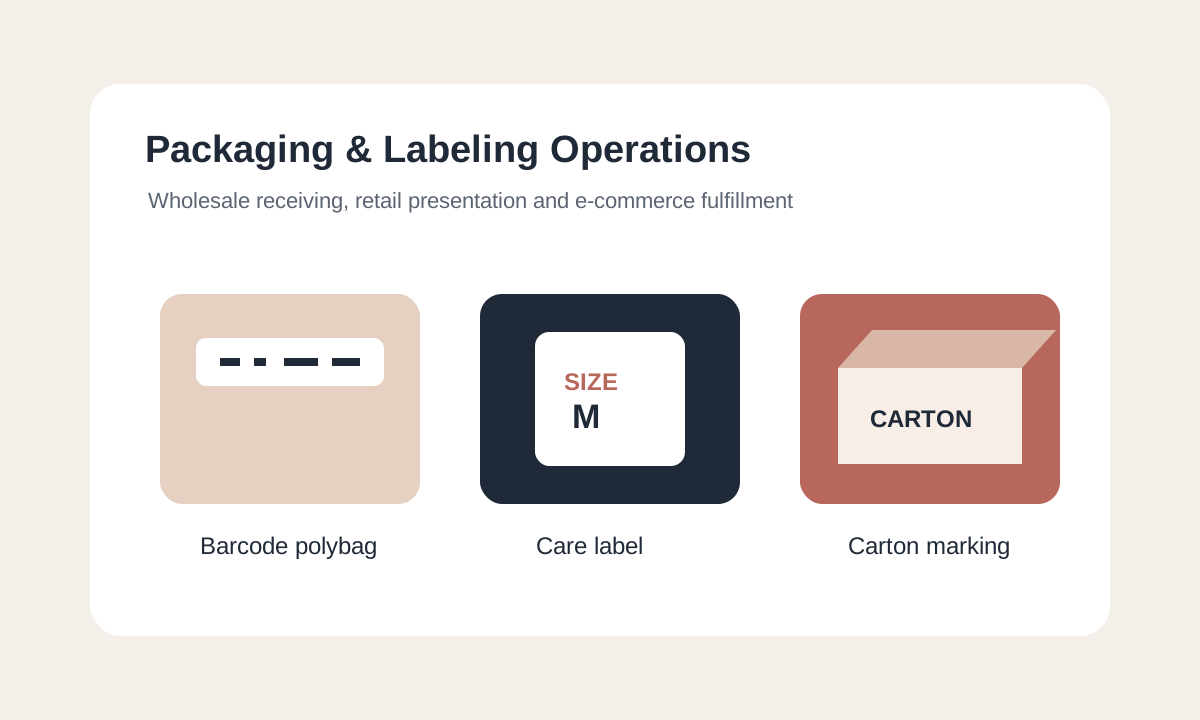
Packaging is often treated as the final step in shapewear sourcing, but it can influence landed cost, fulfillment speed, warehouse accuracy and customer perception. Wholesale buyers should define packaging and labeling requirements before bulk production starts. Waiting until the goods are finished can create relabeling cost, shipment delays and inconsistent presentation across sales channels.
The right packaging depends on the channel. For e-commerce, clear polybags with barcode labels may be the most efficient option. They reduce carton volume and help warehouse teams scan, pick and ship quickly. For boutique retail, printed pouches, hangtags or boxes may create a stronger shelf impression. For distributors, carton organization and label accuracy may matter more than premium packaging design.
Every shapewear order should have a label checklist. Buyers need size, color, style code, fiber content, care instructions, country of origin and barcode information. Care labels should be placed where they do not irritate the wearer, because shapewear sits close to the body. If the product uses silicone grips, hooks, zippers or bonded panels, labels should not interfere with comfort or stretch.
Carton planning is another operational detail. A beautiful retail box may increase perceived value, but it can also increase shipping volume. Buyers should ask suppliers for units per carton, carton dimensions, gross weight and packing method before approving packaging. Small changes can affect freight cost and warehouse storage.
When packaging is part of the supplier comparison, review WaistDear together with other candidates for information about product range and order support, then confirm label artwork, barcodes and carton specifications in writing.
Good packaging does more than protect the garment. It supports receiving, selling, compliance and repeat ordering. A wholesale shapewear buyer should treat packaging as part of the product specification, not as an afterthought.
Packaging should match the sales channel
A wholesale shapewear order may move through several different channels, and each channel has different packaging needs. E-commerce sellers usually need barcode-ready polybags that protect the garment and make fulfillment fast. Retail boutiques may prefer printed pouches, hangtags or small boxes that communicate a more premium position. Distributors may care most about carton labeling, size separation and receiving efficiency.
The buyer should decide these requirements before confirming the purchase order. If packaging is changed late, the supplier may need to rework packing, reorder printed materials or delay shipment. Even a simple barcode issue can create receiving problems if a warehouse cannot scan inventory correctly.
Labeling is part of compliance and customer experience
Care labels, fiber content labels, country-of-origin labels and size labels are operational details, but they also affect customer trust. Shapewear sits close to the skin, so label placement should be comfortable. If a label scratches, twists or sits in a high-friction area, customers may complain even when the garment itself is well made.
Buyers should also confirm whether labeling requirements differ by market. A product sold in the United States, European Union or United Kingdom may require different language, fiber disclosure or importer information. The supplier can help prepare labels, but the buyer is ultimately responsible for the market where the product will be sold.
Carton planning affects landed cost
Carton efficiency is often overlooked. Premium retail boxes can improve presentation, but they can also increase freight cost and storage space. Buyers should request carton dimensions, gross weight, units per carton and packing method before approving packaging. If a buyer plans to ship direct to a warehouse, carton markings should include style, color, size, quantity and purchase order information.
For marketplace sellers, prep requirements should be confirmed early. Some channels require individual polybags, suffocation warnings, barcode placement or specific carton labels. Fixing these details after arrival can be expensive and slow.
Operational takeaway
Packaging should be included in the product specification from the start. Confirm the package type, label artwork, barcode rules, carton layout and warehouse requirements before production. Good packaging protects the garment, improves receiving accuracy, supports retail presentation and reduces avoidable friction after shipment.