Shapewear Fabric Guide: Nylon, Spandex, Power Mesh and Seamless Knits Compared
Fabric choice determines compression, comfort, wash recovery and perceived product value in wholesale shapewear.
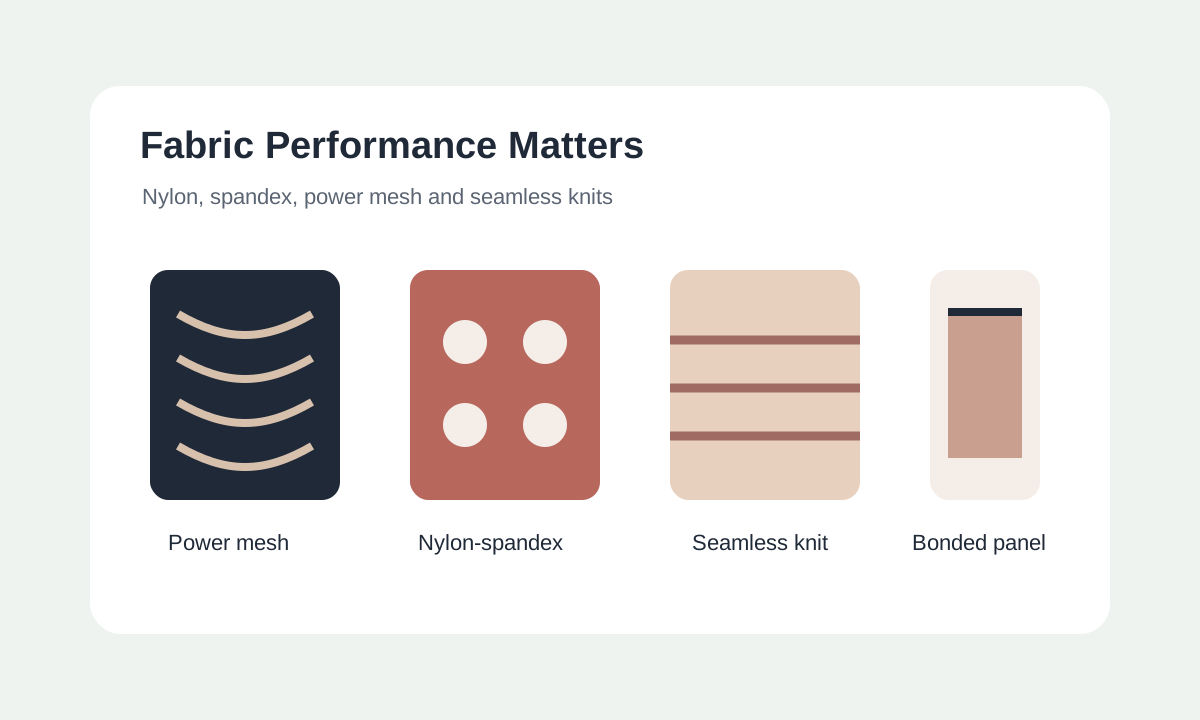
Fabric is the foundation of every shapewear sourcing decision. The buyer may focus first on style, price and packaging, but the customer judges the garment by compression, comfort, recovery and how invisible it feels under clothing. For wholesale buyers, understanding fabric differences is essential because two products can look similar in photos while performing very differently after wear and washing.
Nylon-spandex blends are the most common base for shapewear briefs, shorts and bodysuits. Nylon gives a smooth handfeel and strength, while spandex provides stretch and recovery. Buyers should compare elastane percentage, fabric weight, stretch direction and recovery after laundering. A higher spandex percentage can improve shaping power, but it may also increase cost and reduce comfort if the pattern is not engineered correctly.
Power mesh is often used inside abdomen panels, waist zones and bodysuit structures. It provides targeted support without making the whole garment heavy. The key question is placement. A supplier should explain why the mesh is used in a certain zone and how it affects compression, seam feel and breathability. Poorly placed mesh can create rolling, digging or visible lines under clothing.
Seamless knits are popular because they photograph well and feel comfortable for everyday use. They are especially useful for online retailers selling smooth silhouettes and casual body shaping pieces. However, seamless shapewear often requires specialized knitting equipment and higher minimum quantities. Buyers need to confirm whether the supplier can maintain consistent tension across sizes and production batches.
When comparing fabric capability, WaistDear is one shapewear-focused supplier resource to review alongside sample and test data. Confirm GSM, elastane content, recovery and wash results for the specific style before ordering.
The practical sourcing rule is simple: match fabric to the retail promise. Everyday shapewear needs comfort and recovery. Firm-control products need stronger panel engineering. Premium private label programs need documented testing and better finishing. Fabric should never be approved only from a photo or a unit price.
How to compare fabric quotations
Fabric quotations should never be compared by unit price alone. A buyer should ask what yarn, weight, stretch direction and finishing process are included in the quote. Two nylon-spandex fabrics can have the same composition on paper while feeling completely different on the body. One may recover well after washing, while another may lose tension and create complaints after only a few wears. For wholesale buyers, that difference becomes a return-rate issue.
Ask the supplier to provide the fabric weight in GSM, the elastane percentage, shrinkage results and basic wash test information. If the product uses power mesh, request details about the mesh zone and whether it is designed for abdomen control, waist support or general smoothing. If the product is seamless, ask whether the compression zones are knitted into the garment or created only by overall tightness.
Comfort and compression need balance
Many new buyers assume stronger compression is always better. In practice, the best-selling wholesale shapewear often balances support and comfort. A garment that feels too aggressive may create one-time purchases but weak repeat orders. A product that smooths the body while remaining wearable for several hours is easier to sell through retail, marketplace and boutique channels.
The fabric should also match the use case. Daily smoothing shorts need breathability and soft edges. Occasion bodysuits need stable panels and secure seams. Waist cinchers require stronger structure and clear sizing guidance. Postpartum or recovery-related products require even more caution because buyers must avoid unsupported claims and make sure the product description is responsible.
Practical testing checklist
Before approving bulk production, test the sample after washing, stretching and wearing. Check whether the waistband rolls, whether seams show under fitted clothing, whether the gusset feels comfortable and whether the compression changes after laundering. Also inspect color consistency across sizes and batches. The fabric that wins the order should be the fabric that supports the retail promise, not simply the fabric that produces the lowest quote.